

Topic Content:

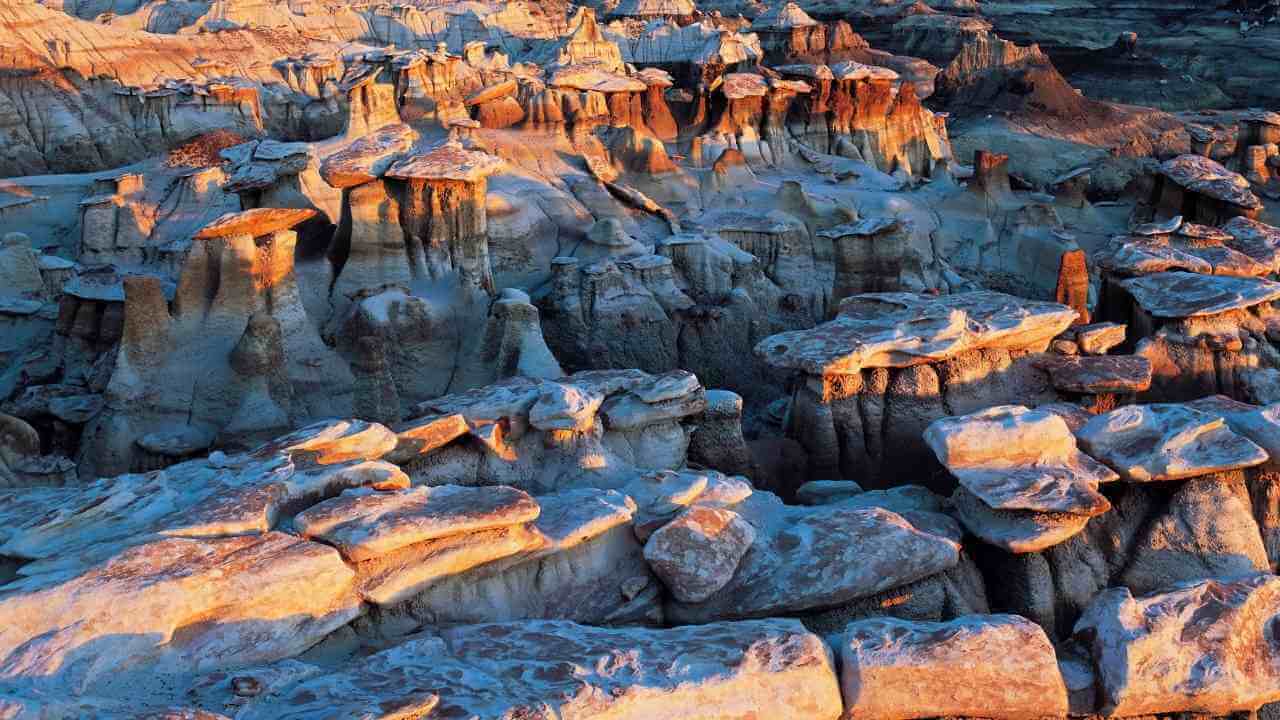
Wind action is a significant agent in the formation of landforms. It is a natural process that helps to shape the Earth’s surface.
Its effects are most noticeable in arid and semi-arid regions (like deserts) and coastal areas, where the land is dry, bare, and has loose materials such as sand and dust. Wind can erode, transport, and redeposit these materials, creating unique landforms such as dunes, mushroom rocks, and loess.
When there is no vegetation, the Sun’s heat directly hits the Earth’s surface. This increases evaporation, causing the soil to become dry and loose. Without plants to hold the soil together with their roots, the particles become weak and scattered.
As a result, strong winds can easily blow away the soil particles. This process is called wind erosion , and it can lead to the loss of fertile topsoil , which reduces the quality of the soil and affects farming.
Wind action is both constructive and destructive , especially in
Full lesson notes for the term are available to subscribers only.
- ⚡ Instant grading & results
- 📈 Student progress tracking
- 📝 End-of-term examinations
- 📄 Official student report cards
- 🚫 Ad-free learning experience
- 📱 Mobile & desktop friendly