

SS3: GOVERNMENT - 1ST TERM
-
Development of Political Parties in Nigeria | Week 15 Topics
-
History of Development of Political Parties in Nigeria
-
Factors that Contributed to the Growth of Political Parties in Nigeria
-
Importance of Post-Independence Political Parties In Nigeria
-
Ways Pre-independence Political Parties Contributed to the Constitutional Development in Nigeria
-
Theory Questions - Development of Political Parties in Nigeria
-
History of Development of Political Parties in Nigeria
-
Development of Political Parties in Nigeria: Nigerian National Democratic Party (NNDP), The Nigerian Youth Movement (NYM) | Week 25 Topics|1 Quiz
-
Development of Political Parties in Nigeria: The National Council of Nigeria and the Cameroons (NCNC), Action Group (AG), The Northern People Congress (NPC) | Week 36 Topics|1 Quiz
-
Development of Political Parties in Nigeria: Minority Parties (NEPU, UMBC) | Week 43 Topics|1 Quiz
-
Second Republic Political Parties: NPN, UPN, NPP | Week 56 Topics|1 Quiz
-
The National Party of Nigeria (NPN)
-
Organization, Sources of Funds, Achievements, & Failures of the National Party of Nigeria (NPN)
-
Unity Party of Nigeria (UPN)
-
Organization, Sources of Funds, Achievements, & Problems of the Unity Party of Nigeria (UPN)
-
Nigeria People’s Party (NPP)
-
Sources of Funds, Achievements, & Problems of Nigeria People’s Party (NPP)
-
The National Party of Nigeria (NPN)
-
Second Republic Political Parties: GNPP, PRP AND NAP | Week 64 Topics|1 Quiz
-
Third Republic & Fourth Republic Political Parties | Week 78 Topics|1 Quiz
-
Major Political Crises in Nigeria: Kano Riot, Census Crisis, Action Group Crisis | Week 83 Topics|1 Quiz
-
Major Political Crises | Week 94 Topics|1 Quiz
-
Military Rule in Nigeria | Week 108 Topics|1 Quiz
-
Military Rule 1966 -1975, 1975 -1979, 1983 - 1985
-
How to Avert Military Intervention in Politics
-
Military Rule (Achievements | Weaknesses)
-
Steps Taken by the Military Government to Hand Over Power to Civil Rule
-
Military Rule 1966 - 1975
-
Military Rule 1975 - 1979
-
Buhari/Idiagbon’s Regime (31st December 1983-1985)
-
Performance of Major General Buhari/Brigadier Idiagbon's Regime
-
Military Rule 1966 -1975, 1975 -1979, 1983 - 1985
-
Military Rule Continues: 1985 - 1993 | Week 114 Topics|1 Quiz
-
E-government | Week 123 Topics
Major General Ibrahim Badamasi Babangida’s Regime (Palace Coup) (27/08/1985 – 1993)
Topic Content:
- Reasons for the Military Intervention (Palace Coup)
- Structure of Government Under Major General Ibrahim Badamosi Babangida
- Armed Forces Ruling Council Membership
- The National Council of Ministers (NCM) (Formerly Federal ExecutiveThe executive, also referred to as the executive branch or executive power, is the term commonly used to describe that part of government which enforces the law and has overall responsibility... More Council)
- The National Council of States
- Achievements of Major General Babangida's Administration
- Weakness of Major General Babangida's Administration
The 1985 Nigerian coup d'état was a military coup which took place in Nigeria on 27 August 1985 and was led by the Chief of Army Staff Major-General Ibrahim Babangida, overthrowing the government of Major General Muhammadu Buhari.
General Ibrahim Babangida was the military Head of State during the Third Republic.
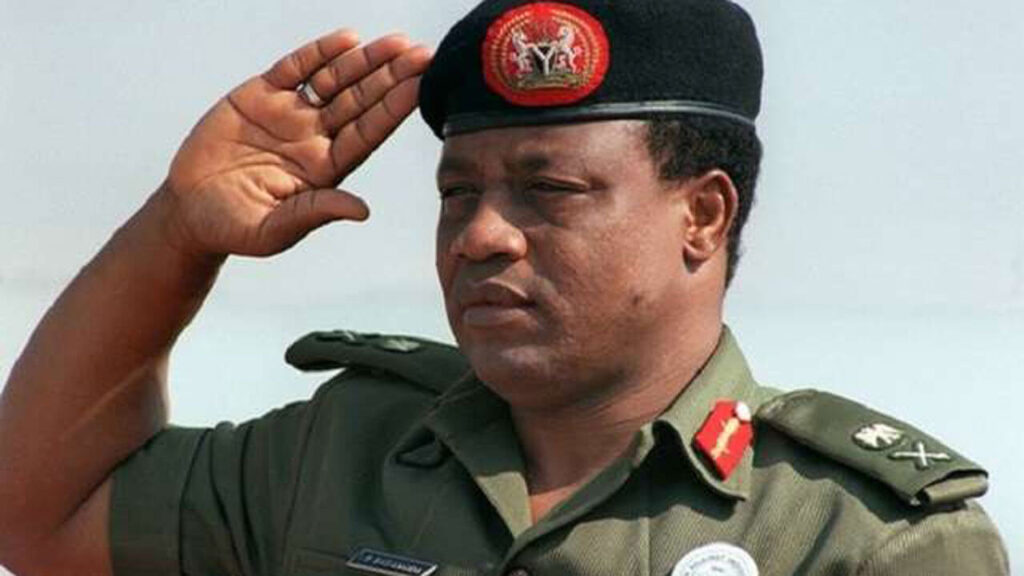
In office: 27 August 1985 – 26 August 1993.
Reasons for the Military Intervention (Palace Coup):
1. Major General Muhamadu Buhari's government failed to revamp the economy.
2. There was massive fraud in the issuance of import licences and counter-trade agreements.
3. The government failed to consult senior Military officers, opinion leaders, experts, etc. before major decisions were taken.
4. The government was repressive and dictatorial. It had no respect for rule of law and fundamental human rights. The government was high-handed.
5. There was discrimination, nepotismNepotism is the act of granting an advantage, privilege, or position to relatives or close friends in an occupation or field. These fields may include but are not limited to: business,... More, and favouritism, especially in retrenchment in the civil service
Full lesson notes for the term are available to subscribers only.
You are viewing an excerpt of this Topic. Subscribe Now to get Full Access to ALL this Subject's Topics and Quizzes for this Term!
Click on the button "Subscribe Now" below for Full Access!
Subscribe Now
Note: If you have Already Subscribed and you are seeing this message, it means you are logged out. Please Log In using the Login Form Below to Carry on Studying!
- ⚡ Instant grading & results
- 📈 Student progress tracking
- 📝 End-of-term examinations
- 📄 Official student report cards
- 🚫 Ad-free learning experience
- 📱 Mobile & desktop friendly


