


Lesson Progress
0% Complete
Topic Content:
- The Use of pH Scale
- The Use of Litmus Paper
- Electrometric Determination of Soil pH
- Calorimetric Determination of Soil pH
- The BDH Soil Test
- Crops that Can Do Well in Each of the Soil Types
The laboratory work on the chemical properties of the soil can be carried out using these methods:
1. The Use of pH Scale:
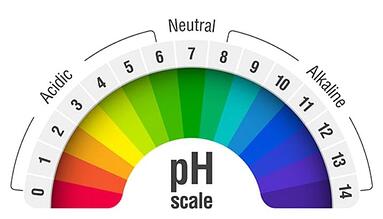
The pH scale which has a range from 1-14 has a pointer. The figure, which the pointer points to, reflects the pH value. For instance, if the pointer of the pH scale reads a pH value of 2, it shows that the sample under test has a lower pH or pH lower than 7. Thus, the soil sample is acidic.
2. The Use of Litmus Paper:
You are viewing an excerpt of this Topic. Subscribe Now to get Full Access to ALL this Subject's Topics and Quizzes for this Term!
Click on the button "Subscribe Now" below for Full Access!
Subscribe Now
Note: If you have Already Subscribed and you are seeing this message, it means you are logged out. Please Log In using the Login Button Below to Carry on Studying!
Responses