


Measurement of Length / Distance (Metre Rule, Vernier Caliper, Micrometer Screw Gauge)
Topic Content:
- Definition of Length
- Definition of Metre Rule
- Definition of Vernier Calliper
- How to Read a Vernier Calliper
- Definition of Micrometer Screw Gauge
- How to Read a Micrometer Screw Gauge
What is Length?
Length is the extent of space between two points. It is measured with instruments such as tape rule, metre rule, vernier calliper, micrometre screw gauge, etc.
Smaller length distances are measured using a vernier calliper, micrometre screw gauge.
What is a Metre Rule?
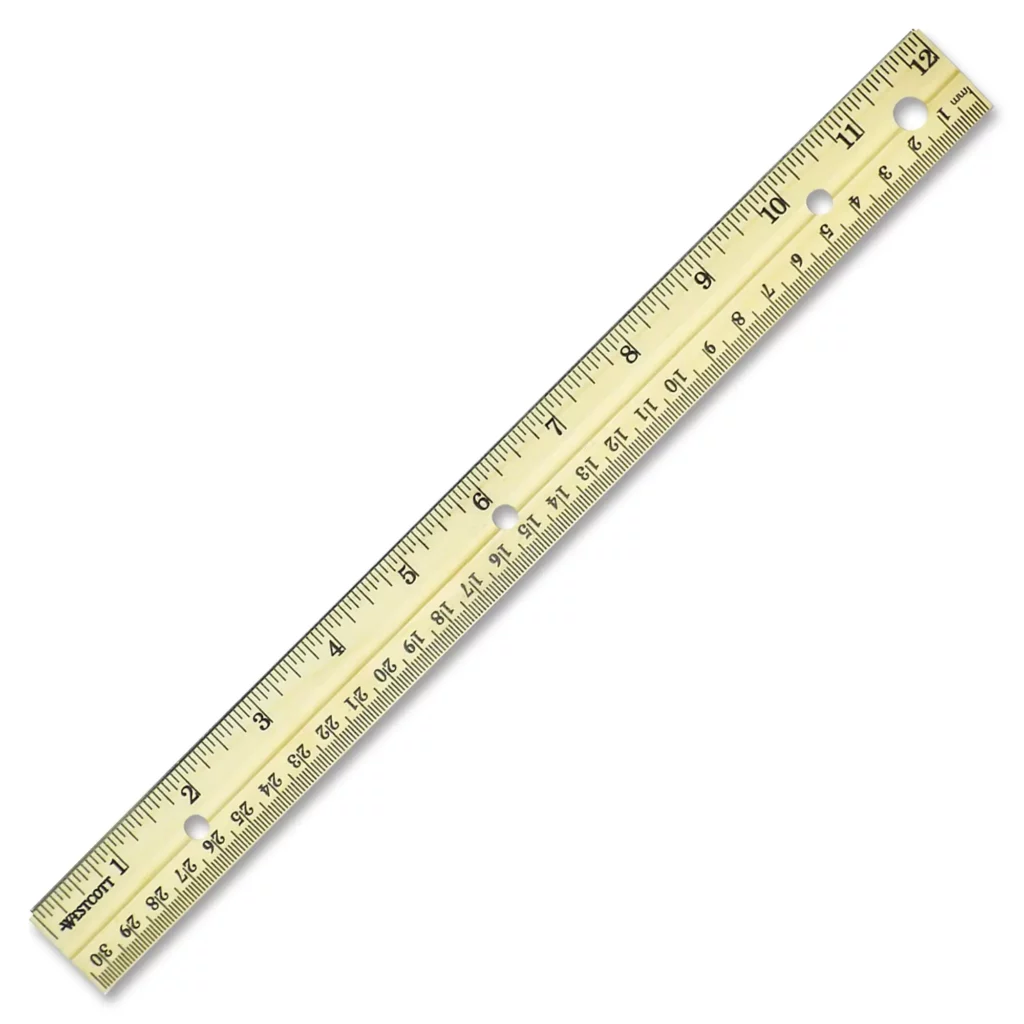
A metre rule is a device, which is used to measure the length of different objects. It is calibrated in millimetres and centimetres.
A metre rule of length 1 m is equal to 100 centimetres (cm). On the meter rule, each cm is divided further into 10 divisions which are called millimetres (mm).
Some metre rules are calibrated in inches or feet. The reading accuracy of a metre rule is 1 mm or 0.1 cm.
Vernier Calliper:
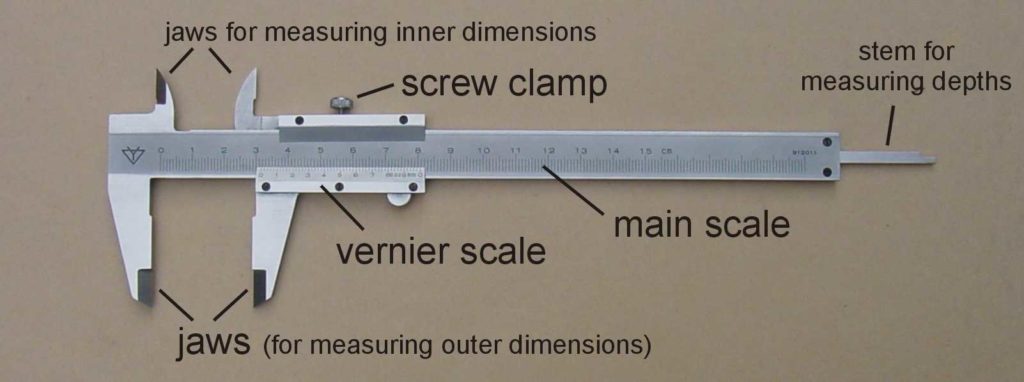
Vernier calliper is used for measuring small lengths (0 – 15 cm). These callipers come in handy in measuring the diameter of circular objects. It has a reading accuracy of 0.01 cm. A pair of vernier callipers consists of a main scale (m) and vernier scale (s).
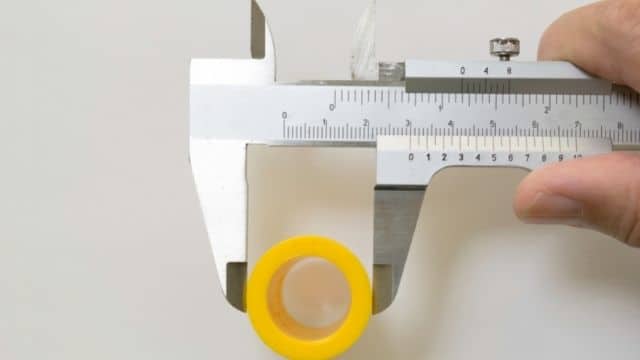
The outside jaws are used to measure the outer dimensions of an object and the inner jaws to measure internal or inner ones. To measure, gently grip the object with the straight edges of the outside or inside jaws.
Accuracy of Vernier Calliper:
The accuracy of a vernier calliper is 0.1 mm or 0.01 cm. This means that the smallest distance that a vernier calliper can measure is 0.1 mm or 0.01 cm.
How to Read a Vernier Calliper:
You are viewing an excerpt of this Topic. Subscribe Now to get Full Access to ALL this Subject's Topics and Quizzes for this Term!
Click on the button "Subscribe Now" below for Full Access!
Subscribe Now
Note: If you have Already Subscribed and you are seeing this message, it means you are logged out. Please Log In using the Login Button Below to Carry on Studying!



Good
This is best platform for academic excellence!